
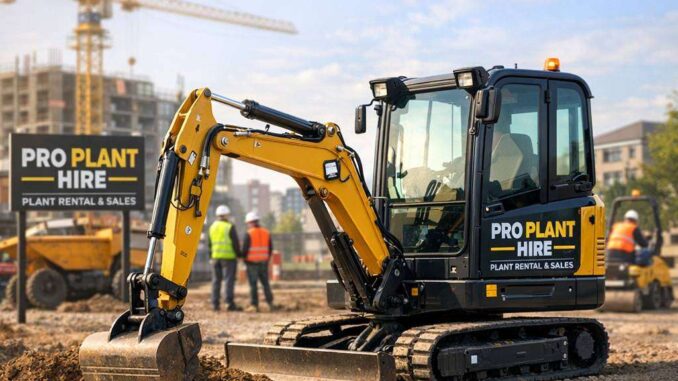
Discover versatile efficiency with a mini digger, ideal for tight spaces and precise digging tasks on any project. From groundwork to landscaping, this compact machine delivers powerful performance without sacrificing maneuverability. For rental or purchase details, explore options and availability. https://www.sjhallplant.com
Looking for a versatile and compact solution for tight spaces? A mini digger delivers impressive digging power without sacrificing maneuverability. Ideal for urban projects, landscaping, and utility work, this compact machine fits through narrow gates and into confined courtyards. Operators appreciate precise control and reduced setup time, while clients benefit from lower transport costs and minimal site disruption. For rental options, explore our selection here: https://www.equipmentshare.com/rent/equipment-classes/mini-excavator-7000-9000-lbs.
Mini diggers have become indispensable on many construction sites, offering versatility, reach, and power in a compact footprint. Whether you are trenching for utilities, digging foundations, or preparing landscaped gardens, a well-chosen mini digger can save time, reduce manual labour, and minimise disruption on site. This guide provides practical considerations to help you select the right model for your project, backed by industry best practices and reputable sourcing options.
When planning your purchase or rental, start by clarifying the scope of your project. Consider the soil type, depth and width of the trenches, access constraints, and the presence of obstacles such as trees, foundations, or drainage systems. Understanding these factors will steer your choice towards the most appropriate machine size, attachment options, and operational setup. It’s also wise to map out future needs: a compact machine today might still be suitable for upcoming phases of work, or you may prefer a slightly larger option for greater versatility.
FAQ: Mini Digger
What is a mini digger?
A mini digger is a compact, tracked or wheeled excavator designed for digging, trenching, and light earthmoving in tight spaces where larger machines can’t operate. They typically range from 0.5 to 6 tonnes and are ideal for small-scale construction, landscaping, and drainage work.
What are the main uses of a mini digger?
- Trenching for utilities and drainage
- Digging foundations for small structures
- Landscaping and garden drainage projects
- Site clearance and material handling in confined areas
- Installing posts, fences, and tree roots removal
How do I choose the right size mini digger?
Consider:
- Width and operating space: ensure it fits through gates and between obstacles
- Dig depth and reach: match to your trenching requirements
- Height and power: assess access under structures and site power availability
- Ground type and job duration: larger machines for prolonged use; smaller for quick tasks
What attachments work with a mini digger?
- Buckets (general-purpose, pin-grabber, trenching)
- Hydraulic breakers
- Augers for boring holes
- Scrap and rake attachments
- Auger drives and tree spades
- Grading blades and thumbs for material handling
How do I operate a mini digger safely?
- Complete operator training and wear PPE (helmet, high-visibility clothing, safety boots, gloves)
- Perform a pre-start inspection (hydraulic oil, fuel, pins, tracks/undercarriage)
- Set up on stable ground with proper cribbing or mats if needed
- Use seatbelt and obey load limits and machine’s safety features
- Maintain a safe working radius; keep bystanders at a safe distance
- Communicate clearly with hand signals or wireless radios on site
What maintenance is required for a mini digger?
- Regular cleaning to prevent dirt ingress
- Daily checks: fluid levels, track tension, hydraulic hoses, pin joints
- Monitor hydraulic performance and temperature
- Grease moving parts per the manufacturer’s schedule
- Schedule periodic servicing and keep up with OEM recommended intervals
Can I rent a mini digger, and what do rental terms look like?
Yes, many suppliers offer short-term and long-term rental options. Terms typically include:
- Hourly or daily rental rates with minimum rental periods
- Operator availability (if needed)
- Delivery and collection logistics
- Full fuel policy and refueling responsibilities
- Maintenance responsibility and damage waivers
- Safety and compliance requirements (licence checks, site induction)
Do I need a license or operator certification?
Requirements vary by region. Some jurisdictions require formal operator training or certification for rental equipment. If you’re hiring with an operator, the rental company can provide an operator with valid credentials. Always verify local regulations before use.
How much space do I need to operate a mini digger?
Most mini diggers operate in confined spaces. Ensure a clear working footprint, adequate turning radius, and stable ground. Consider access routes, overhead obstacles, and proximity to utilities.
What should I consider when renting vs buying a mini digger?
- Frequency of use: rental may be cost-effective for sporadic tasks
- Maintenance burden: rentals include servicing
- Storage and transport: renting avoids storage needs
- Up-to-date equipment: rentals provide newer models with latest safety features
How do I transport a mini digger to a site?
Most mini diggers are transported on a trailer or low-loader. Ensure proper securing with chains and straps, comply with road restrictions for weight and width, and confirm delivery and pickup with the supplier.
What safety features should I look for?
- ROPS (Roll-Over Protective Structure) and FOPS (Falling Object Protective Structure)
- Seat belt and standard operator protection
- Load-sensor and breakout force limits
- Emergency stop and horn
- Boom safety latches and stabilisers (if applicable)
Are there common issues to watch for with mini diggers?
- Leaks in hydraulic lines or fittings
- Uneven tracks or instability on soft ground
- Unresponsive controls or lag in hydraulic responses
- Excessive play in joints or pins
- Battery or fuel system issues on electric or diesel variants
How can I get a quick quote or book a mini digger rental?
Contact your local plant machinery supplier or visit their website to request a quote. Provide:
- Job location and dates
- Required dig depth and reach
- Preferred attachment types
- Delivery, setup, and operator needs
- Any site access constraints or safety considerations
If you’d like, tell me your location and project details, and I can tailor these FAQs further or craft a concise quote request template.
Mini diggers
Mini diggers are designed to deliver precise excavation with minimal disruption. Typical models range from around 1.5 to 9 tonnes, with common buckets in 0.2 to 0.5 cubic metres, depending on the machine’s size and configuration. Key specifications to compare include:
- Dig depth and reach
- Lifting capacity and stability
- Swing radius and tail clearance
- Transport width and weight
For many projects on confined sites, a narrow or “slimline” mini digger is advantageous. These units offer reduced transport dimensions and easier manoeuvrability without sacrificing performance. When selecting a model, assess the trenching requirements, such as the maximum depth needed and whether you require features like foldable ROPS (rollover protection structure) to fit through tight gates.
Mini digger
Choosing the right mini digger involves balancing power, precision, and usability. If your work involves deeper excavations or harder ground, a slightly larger mini digger with a more capable hydraulic system may be appropriate. Conversely, for delicate landscaping or services installation around existing structures, a smaller machine with precise controls can deliver excellent results with minimal risk to surrounding areas.
Another critical consideration is the control configuration. Many operators prefer ISO joystick controls for intuitive operation, but some models offer H-pattern levers or adjustable control packages. If you are renting, request a demonstration to ensure the control layout aligns with your team’s experience. For ongoing projects, consider telemetry and maintenance features that help monitor fuel consumption, hours of operation, and service intervals.
Looking for a reliable mini digger for hire or sale? Our fleet features compact, efficient options ideal for tight sites and precision work. Explore our selection and see how a mini digger can boost productivity on any job. mini digger for your project today.
Mini diggers for sale
If you are looking to buy, exploring mini diggers for sale requires due diligence beyond the initial price. Check the machine’s service history, including recent hydraulic work, track or undercarriage wear, and any frame or pin wear that could indicate heavy usage. Request maintenance records and ensure that safety features are up to date, such as the ROPS, seat belt, mirrors, and backup alarm.
When evaluating price, compare not only the list price but total cost of ownership. This includes anticipated maintenance, expected parts availability, and resale value. It is worth negotiating a warranty or a service package, especially for used mini diggers, to mitigate potential downtime. If you are unsure about market prices, consult a trusted dealer or use industry price guides to benchmark.
Used mini diggers
Used mini diggers can offer substantial cost savings, but they require careful assessment. A thorough on-site inspection is essential. Key checks include:
- Visual inspection for leaks, cracks, or corrosion
- Hydraulic performance during a test run, listening for unusual noises
- Undercarriage wear on tracks or pads
- Condition of the bucket teeth and attachments
- Verifiable service and maintenance history
Ask for the hours of operation and the machine’s year of manufacture. A higher hour count is not inherently a deal-breaker if the machine has a solid maintenance regime and low load during operation. If possible, obtain a vehicle history report and request a short test run on site to confirm smooth operation.
Attachment compatibility is another important factor for used mini diggers. Ensure the machine accepts common attachments such as angle booms, ditching buckets, and tilt rotators. Compatibility reduces downtime and improves versatility on site. When buying used, consider whether it is more economical to purchase a complete package with attachments or to source attachments separately.
Practical tips for selection
- Prioritise a machine with good visibility from the cab and an ergonomic operator station. Operator comfort reduces fatigue and improves precision over long shifts.
- Evaluate fuel efficiency and modern hydraulic systems. Compact machines with efficient hydraulics deliver better performance with lower running costs.
- Confirm access and transport. Ensure the machine can be delivered to the site and transported through access routes without requiring excessive preparation.
- Plan for future needs. If you anticipate expanding to larger tasks, a slightly larger mini digger now may be more cost-effective than upgrading later.
- Budget for safety and training. Ensure operators are trained and comfortable with the controls and safety features of the chosen model.
In summary, selecting the right mini digger hinges on aligning capabilities with the specific demands of your project, whether you are buying new, buying used, or renting. By carefully weighing dig depth, control ergonomics, attachment compatibility, and total cost of ownership, you can maximise productivity while minimising downtime and risk on site. For tailored recommendations or a range of options, our team can guide you through available mini diggers for sale and rental, including certified used mini diggers and the latest models with advanced safety features.