
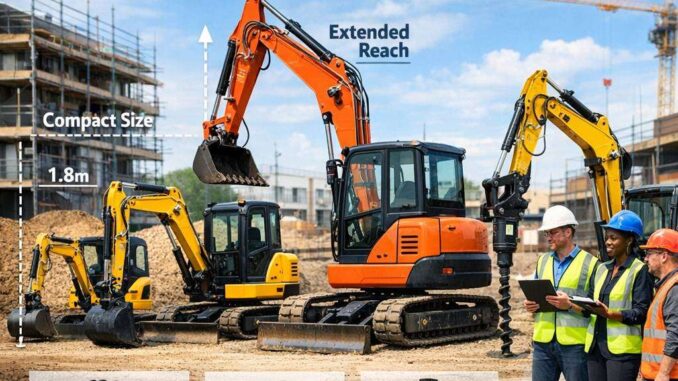
Choosing the right mini digger can feel like navigating a maze, but with a clear plan and a few expert tips, you can pinpoint the perfect machine for your project. Whether you’re planning trenching for utilities, digging foundations, or creating landscaping features, the right mini digger will save time, reduce labour, and keep site safety on track. Here’s a friendly, expert guide to help you make an informed decision.
mini diggers
Mini diggers are compact, versatile machines designed to work in tight spaces where larger excavators can’t reach. They typically range from around 0.5 tonnes to 5 tonnes in weight, with a variety of track or wheel configurations. When assessing mini diggers, consider:
- Ground clearance and stability: A low centre of gravity and solid tracks improve traction on uneven ground.
- Reach and depth: Ensure the machine’s maximum reach and digging depth align with your job’s requirements.
- Hydraulic performance: A robust hydraulic system with adequate flow rate prevents slow or jerky digging.
- Safety features: Roll-over protection, optional track mats, and intuitive controls help keep operators safe.
- Serviceability: Availability of parts, easy access to filters and hydraulics, and routine maintenance intervals reduce downtime.
If you repeatedly work in confined spaces or headroom-restricted sites, a zero-swing or swing-reduced model may be worth considering to protect surrounding structures and workers.
mini digger
When you’re selecting a single unit for a specific task, think about the primary job it will perform. For trenching small utility lines, you might prioritise reach and precision. For landscaping or site levelling, you may value bucket capacity and stability. Key questions to ask include:
- What is the maximum digging depth required?
- Will you operate on hard ground or soft, sandy soils?
- Do you need auxiliary hydraulic power for breakers, augers, or breakers?
- Are you working on slopes, and if so, what is the maximum grade the machine can safely operate on?
- What are the operator’s skill level and the job’s time constraints?
A well-matched mini digger reduces the need for manual shovelling, speeds up the schedule, and lowers the risk of accidents caused by overreaching or unstable equipment.
A mini digger is essential for compact, precise earthworks on tight job sites. It delivers impressive reach and maneuverability without heavy bulk. For reliable options, explore our inventory and find the right fit for your project. mini digger
mini diggers for sale
If you’re considering mini diggers for sale, you have two broad paths: brand-new units and used options. Each has advantages and trade-offs:
- Brand-new mini diggers: The latest emission standards, improved fuel efficiency, and guaranteed reliability. They often come with better warranties and the most up-to-date safety features. They can be a longer-term investment if you expect heavy, frequent use.
- Used mini diggers: A cost-effective way to acquire a capable machine, especially for intermittent work. Look for decent maintenance history, a clean undercarriage, solid hydraulic performance, and no major structural issues. Arrange a test run on-site, and request service records to verify the machine hasn’t had frequent overloading or harsh use.
When evaluating options for sale, assess the total cost of ownership – purchase price, maintenance, consumables, and resale value. For rental or long-term hire, the decision matrix shifts toward uptime, servicing speed, and support networks rather than ownership costs alone.
Mini digger capabilities redefine efficiency on tight sites, offering precise control and reduced disruption for urban builds. Operators appreciate splash-free stability, intuitive controls, and safer trenching while minimizing ground disturbance. Whether compact conduits, landscaping, or small-scale demolition, a mini digger delivers reliable performance with lower overhead. Explore options to suit loaders and attachments, ensuring versatile productivity. https://www.bobcat.com/in/en/equipment/mini-excavators
used mini diggers
Used mini diggers can offer excellent value if you choose wisely. To reduce risk, follow these checks:
- Serial number and history: Confirm the age, hours, and previous work. A moderate number of running hours with a solid maintenance history is preferable to a newer unit that’s been neglected.
- Undercarriage condition: Inspect tracks or rollers for wear. A worn undercarriage can be expensive to replace and will affect stability.
- Hydraulics and leaks: Look for any signs of leaks, cracked hoses, or weak cylinder movement. Smooth, quiet operation is a good sign.
- Boom and bucket linkage: Inspect for excessive play, cracks, or weld repairs. Safety-critical components should be solid and well-maintained.
- Operational checks: Test controls, speed, boom slew, and digging depth. Run through a full range of movement to feel for any unusual resistance or vibrations.
If you’re buying used mini diggers, consider engaging a reputable dealer who offers a short-term warranty or a service check. This adds peace of mind and reduces the risk of buying problems that arise after delivery.
The mini digger is ideal for tight spaces, offering powerful digging capabilities with minimal footprint. Compact design, precise controls, and efficient fuel use help projects stay on schedule. Explore versatile options and rental plans to suit your site needs. https://www.bobcat.com/eu/en/equipment/mini-excavators for more details and availability.
FAQ: Mini Digger
What is a mini digger?
A mini digger is a compact hydraulic excavator designed for digging and earthmoving tasks in tight spaces. It typically weighs between 0.8 and 6.0 tonnes, making it highly maneuverable for residential projects, urban sites, or confined job sites.
What tasks can a mini digger handle?
Mini diggers are versatile for:
- Trenching and utility digs
- Garden landscaping and drainage installation
- Footings and small foundation work
- Excavating around obstacles such as trees and fences
- Demolition of small structures and clearing debris
What should I consider when renting a mini digger?
Key factors:
- Dig depth and reach requirements
- Arm/dipper length and bucket size
- Weight and site access limitations
- Travel speed and fuel type
- Safety features and operator certification requirements
- Rental duration and included attachments
What attachments are available for mini diggers?
Common attachments include:
- Buckets (general purpose, trenching, grading)
- Hydraulic hammer (breaker)
- Auger drive (for drilling holes)
- Breakout/Pin pointer
- Root rake or grapple (for demolition or vegetation)
- Scissor or various grading implements
Do I need a license or operator for a mini digger?
In many regions, you need a valid operator qualification or certification to operate heavy machinery. Some rental companies offer trained operators; otherwise, you may need to hire an operator separately. Always check local regulations and safety requirements.
How deep can a typical mini digger dig?
Small mini diggers can dig depths from around 1.0 to 3.5 meters (3 to 12 feet), depending on model and configuration. Larger mini diggers reach greater depths but still remain within the compact category.
What safety precautions should I follow?
- Conduct a pre-use inspection and checklist
- Ensure the site is clear of bystanders and utilities
- Use proper personal protective equipment (PPE)
- Set up a safe exclusion zone and use barriers
- Never exceed operating load limits or boom reach
- Be aware of overhead lines and underground services
- Follow manufacturer’s operating manual and rental company guidelines
How do I maintain a mini digger during a rental?
- Check hydraulic fluids, engine oil, and coolant levels
- Inspect tracks or undercarriage, pins, and buckets for wear
- Clean the cab and controls, and secure all attachments
- Report any leaks, unusual noises, or performance issues to the rental provider
- Return with a similar fuel level to avoid additional charges
What maintenance is typically included with rental?
Most rentals include scheduled servicing and basic maintenance during the rental period. Some providers offer delivery, setup, and operator training. Confirm with the rental company what is included and any additional fees for fuel, transport, or late returns.
How do I choose the right mini digger for my project?
- Assess required digging depth and reach
- Consider available space and access
- Evaluate ground conditions and required bucket size
- Check compatibility of attachments with your model
- Factor in operator availability and safety requirements
- Compare rental rates, terms, and delivery options
Can I rent a mini digger with an operator?
Yes. If you lack trained personnel, many suppliers offer operator-assisted rentals where a qualified operator handles the unit on your site. Ensure the operator’s certification meets local regulations.
What is the typical rental duration and pricing?
Mini digger rentals can range from daily to weekly and monthly periods. Pricing varies by model size, duration, delivery distance, and included attachments or services. Contact the supplier for a formal quote.
Do mini diggers come with insurance?
Most reputable rental companies offer insurance options or require the renter to provide proof of insurance. Verify coverage limits and liability terms before renting.
How do I arrange delivery or pickup?
Most providers offer delivery, setup, and on-site demonstration. You’ll need site access details, delivery address, access constraints (gate width, turning radius), and a contact on site. Some regions may require a lift plan or risk assessment.
What should I do if the mini digger breaks down on site?
- Stop operations and shut down the machine following the manual
- Contact the rental provider immediately and report the issue
- Do not attempt unauthorised repairs
- The provider will guide you on troubleshooting or arrange a service visit
Are there environmental or fuel considerations?
Mini diggers are typically diesel-powered or battery-electric in newer models. Follow refueling procedures, monitor fuel quality, and comply with site emissions and fueling safety guidelines.
Can I upgrade or downgrade my mini digger mid-rental?
Many suppliers offer flexibility to adjust equipment during the rental period, subject to availability and contract terms. Discuss your changing requirements with the rental company.
If you’d like, I can tailor this FAQ to your specific range of mini diggers, your service area, or include model-specific specs.
buying and renting tips
- Define the job and the site: A precise brief helps you pick the right size (volume capacity) and mobility (tracked vs wheeled).
- Safety compliance: Ensure the machine meets local safety and emissions standards. Verify that operators will be trained and competent.
- Access and storage: Consider how the digger will be transported to site, how it will be stored, and whether on-site access is restricted by height or width.
- Attachments: Determine whether you’ll need augers, breakers, or grapples. Check that the chosen mini digger supports the required attachments and hydraulic flow.
- Service and support: Choose a supplier with reliable after-sales service, readily available parts, and a responsive support team. On-site and remote service options can significantly reduce downtime.
If you’re unsure which option best fits your project, start with a consultation from a trusted supplier. A quick site assessment can clarify the ideal digging depth, reach, and capacity, ensuring you select the most efficient machine for the job.
In summary, the right mini digger balances power, reach, and manoeuvrability with your site constraints and project timeline. Whether you’re eyeing mini diggers for sale or considering used mini diggers, taking a structured approach will help you make a confident decision that keeps your project moving smoothly.