
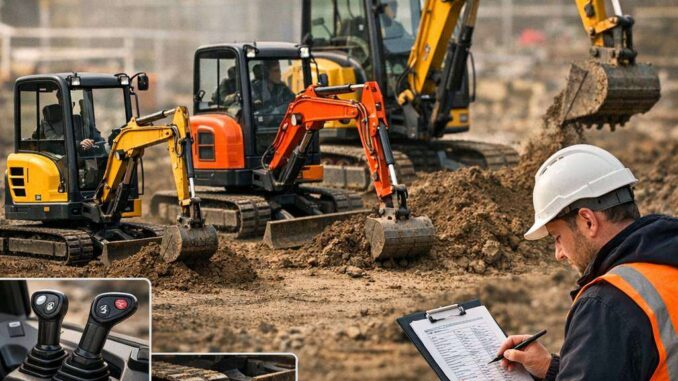
Mini diggers are compact, versatile, and ideal for tight spaces on any site. From urban backyards to interior builds, they deliver reliable digging, trenching, and lifting performance. Our fleet is available for rent or purchase, supported by flexible terms and service excellence. Discover options and rentals here: https://ahmcorp.com/collections/excavators for efficient mini digger solutions.
Starting a project that requires excavation can be a straightforward task or a complex logistical puzzle, depending on the scale and site conditions. For many construction, landscaping, and utility tasks, mini diggers (also known as compact excavators) offer a versatile solution that combines power, precision, and portability. In this guide, we’ll explore how to select the right sized excavator for your needs, with practical tips to maximise efficiency and reduce downtime.
Whether you’re looking at mini diggers for sale or evaluating used mini diggers, understanding the key sizing criteria will help you make an informed decision that aligns with your project requirements and budget.
What to consider before choosing a mini diggerBefore you start comparing models, outline the core constraints of your job. Consider the following factors:
- Working radius and reach: The depth and horizontal reach determine whether a 1.5-tonne machine or a 5-tonne model is more appropriate.
- Arc of swing and access: Confined spaces, urban sites, or indoor use may benefit from zero-tail-swing or short-swing variants.
- Platform stability and weight: Ground conditions, trench width, and nearby structures influence chosen operating weight.
- Hydraulics and attachments: Hydraulic flow, bucket capacity, and compatibility with breakers, augers, and grapples expand versatility.
- Transport logistics: Vehicle access, weight limits on site roads, and offloading capabilities affect how easily you can move the machine between locations.
- Operator proficiency and safety: Training requirements, visibility, and safety features should match the operator’s experience and site risk profile.
Sizing categories and typical applicationsMini diggers come in several size bands, each suited to different tasks. Here’s a practical overview to help you map project requirements to a size:
- Sub-1-tonne and micro diggers (roughly 0.8–1.0 tonnes): Ideal for very tight spaces, simple digging tasks, and light landscaping. These are often used indoors or in areas with delicate surfaces where minimal ground disturbance is essential.
- 1.0–2.0 tonnes: The most common category for small-scale projects. These offer a balance of digging depth, reach, and manoeuvrability, suitable for trenching utilities, drainage work, and garden foundations.
- 2.0–3.5 tonnes: Increased digging depth and breakout force, with more robust hydraulics. Suitable for larger landscaping jobs, footing trenches, and more demanding site conditions.
- 3.5–5.0 tonnes: Mid-range compact excavators capable of heavier digging, rubble removal, and more complex site work where accessibility allows and power is needed while still offering portability.
Key performance indicators to compareWhen evaluating mini diggers, pay attention to these core specifications:
- Dig depth and reach: Ensure the maximum depth meets or exceeds the required excavation depth.
- Maximum bucket breakout force: Higher force translates to faster trenching and easier rock or hard soil tasks.
- Hydraulic flow (L/min) and pressure (bar): Impacts the performance of attachments; higher flow supports hydraulic breakers and more capable augers.
- Operating weight and transport width: Heavier machines may require specialist transport and may affect site access.
- Ground clearance and swing radius: Critical in tight sites to avoid obstacles and improve safety.
Attachments and versatilityThe true utility of a mini digger lies in its versatility. Common attachments include:
- Buckets (grading, narrow, and heavy-duty for rock or clay)
- Breakers for concrete removal
- Augers for tree planting or utility bores
- Grapples for material handling
- Trenchers for utility lines
When selecting for ongoing work, consider the availability of a robust attachment line and the compatibility with popular attachment brands. If you’re evaluating used mini diggers, inspect attachment compatibility to avoid additional costs or downtime.
Diagnostics, safety, and operator comfortModern mini diggers come with a range of safety and operator-focused features:
- Reversing cameras or rear sensors to improve site awareness
- Proportional controls and joystick ergonomics for precise digging
- Boom and dipper stiffness for stability on uneven ground
- ROPS/FOPS certified cabs with climate control and vibration reduction
- Telemetry and maintenance alerts for proactive service planning
Maintenance schedules and total cost of ownership should factor into your decision, particularly if you plan to operate multiple machines across different sites.
Choosing the right size for your project: a practical approachTo identify the optimal size, follow these steps:
Tips for safe and efficient operation
- Pre-inspect the machine and attachments before each shift.
- Use a spotter in confined spaces and establish exclusion zones for non-operatives.
- Maintain stable ground and level surfaces; avoid working on steep inclines.
- Schedule regular maintenance to prevent unexpected downtime.
Final thoughtsSelecting the right sized excavator is about balancing power, reach, and manoeuvrability with the constraints of your site and budget. Whether you opt for mini diggers for sale or a reliable used mini digger, taking a structured approach to sizing will help you maximise productivity, safety, and project outcomes. If you’d like personalised recommendations based on your project details, our team can assist with spec comparisons, availability checks, and procurement planning.
Mini diggers are ideal for tight access sites, delivering power with precision. Our fleet offers reliable options for quick, efficient projects. For more details and rental inquiries, visit https://www.sjhallplant.com.
FAQ: Mini Diggers
What is a mini digger?
A mini digger, also known as a micro or compact excavator, is a small, versatile excavator designed for tight spaces. It typically ranges from 0.75 to 5 tonnes and is ideal for trenching, landscaping, utilities work, and small demolition tasks.
What are the benefits of renting a mini digger?
Benefits include reduced labour and manual effort, high precision in confined areas, lower upfront cost compared to larger machinery, flexible rental terms, and access to maintenance and support from your supplier.
What attachments are available for mini diggers?
Common attachments include buckets (various sizes), hydraulic breakers, augers, grapples, hydraulic thumbs, trenchers, and sheet pile handlers. Availability varies by supplier.
How do I choose the right size mini digger?
Consider working radius, dig depth, weight limits for access routes, ground conditions, and the tasks you’ll perform. For narrow spaces, a 1–3 tonne machine is typical; for deeper trenches or tougher ground, a larger model (3–5 tonnes) may be better.
Can I operate a mini digger on a public site?
Yes, but you may need permits, operator training, and site-specific risk assessments. Always follow local regulations and your supplier’s safety requirements.
Do I need a license or operator for a mini digger?
Requirements vary by country and project. In many cases you can hire with an operator provided by the rental company, or you can hire without an operator if you have trained staff and the appropriate licenses.
What safety features should I look for?
Key features include a top guard, ROPS/ROPS-FOPS cabin, seatbelt, swing radius indicator, backup alarms, hydraulic safety valves, and well-maintained tracks or undercarriage. Check for regular servicing and safety documentation.
What maintenance is required for a mini digger?
Regular checks include hydraulic fluid levels, engine oil, coolant, track tension, bucket pins, and filter replacements. Ensure the rental provider conducts pre-hire inspections and offers support if issues arise.
How do I operate a mini digger safely?
Receive on-site training from the rental company or a qualified operator. Key practices: plan the dig, check for underground services, keep loads within the machine’s rated capacity, maintain stable footing, and stay alert to ground conditions and overhead hazards.
What ground conditions affect performance?
Soft ground, clay, frozen soil, or rocky strata can impact stability and digging depth. Wet or uneven ground may require wider tracks, different attachments, or reduced reach.
Can I use a mini digger indoors or in a building site?
Yes, for indoor or confined-area jobs, a compact model is ideal. Ensure adequate ventilation, dust control, and that the space can accommodate the machine’s swing and height.
What is the typical rental period for a mini digger?
Rental terms vary from daily to weekly to monthly. Many suppliers offer flexible terms aligned with project timelines and may include delivery, operator, and maintenance options.
Do you offer delivery and collection?
Most suppliers provide delivery to site and collection after use. Check lead times, access requirements, and any additional delivery charges.
What is the cost of renting a mini digger?
Prices depend on size, duration, and whether you include an operator, attachments, or maintenance. Request a quote for a transparent breakdown of rental, delivery, fuel, and any service fees.
Do you offer insured or guaranteed uptime options?
Some providers offer insurance coverage and uptime guarantees, reducing risk in case of breakdowns. Verify what’s included, exclusions, and any premiums.
Can I source training or certification with my rental?
Many suppliers offer operator training or access to accredited courses as part of a rental package or as an add-on. This can help ensure safe, compliant operation on-site.
How do I book a mini digger rental?
Contact your supplier with your project details (location, duration, required capacity, attachments, and whether you need an operator). They’ll confirm availability, delivery, and terms.
What should I do if I damage the mini digger?
Report the incident to the rental provider immediately. Follow their procedures for inspection, potential charges, and repairs. Document the damage and any contributing factors.
Do you sell mini diggers as well as rent them?
Yes, many suppliers offer new or used mini diggers for sale in addition to rental. They can provide recommendations based on your project needs and budget.