
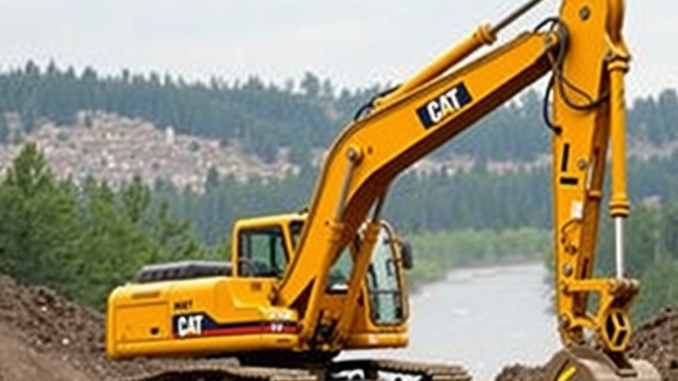
When it comes to construction projects, excavators stand out as one of the most versatile pieces of plant machinery. Whether you’re digging trenches, lifting heavy materials, or demolishing structures, selecting the right excavator is crucial for ensuring efficiency and safety on the job site. With a broad range of excavators for sale, this guide aims to provide insights into the essential factors to consider when making your decision.
Understanding the Different Types of Excavators
Excavators come in various types, each designed for specific tasks. The primary categories include:
-
Mini Excavators: These smaller machines are ideal for tight spaces and light construction work. They offer excellent manoeuvrability and are perfect for landscaping or residential projects. A used mini excavator can be a cost-effective option, especially for smaller businesses that do not require heavy-duty machinery.
-
Standard Excavators: Generally larger and more powerful, standard excavators are suitable for a variety of site conditions. They are capable of tackling larger excavation projects, such as road construction and major landscaping work.
-
Long Reach Excavators: Featuring extended arms and booms, these excavators are designed for deep digging and accessing hard-to-reach areas. They’re particularly useful in applications such as dredging and working near water bodies.
-
Hydraulic Excavators: The most common type in use today, hydraulic excavators utilise hydraulic systems to provide excellent digging power. They can be fitted with a range of attachments, including buckets, breakers, and grapple claws, making them incredibly adaptable.
Mini Excavators: These smaller machines are ideal for tight spaces and light construction work. They offer excellent manoeuvrability and are perfect for landscaping or residential projects. A used mini excavator can be a cost-effective option, especially for smaller businesses that do not require heavy-duty machinery.
Standard Excavators: Generally larger and more powerful, standard excavators are suitable for a variety of site conditions. They are capable of tackling larger excavation projects, such as road construction and major landscaping work.
Long Reach Excavators: Featuring extended arms and booms, these excavators are designed for deep digging and accessing hard-to-reach areas. They’re particularly useful in applications such as dredging and working near water bodies.
Hydraulic Excavators: The most common type in use today, hydraulic excavators utilise hydraulic systems to provide excellent digging power. They can be fitted with a range of attachments, including buckets, breakers, and grapple claws, making them incredibly adaptable.
When exploring excavators for sale, you will encounter these various types. Assessing the specific needs of your project will help in making an informed decision.
Key Considerations When Selecting an Excavator
Choosing the correct excavator involves more than just picking a model based on its size. Here are some essential factors to evaluate:
-
Operating Weight: The weight of the excavator affects its lifting capacity and stability. Lighter models, such as used mini excavators, can be easier to transport and manoeuvre but may not offer the same lifting power as heavier models.
-
Digging Depth and Reach: Knowing the required digging depth is crucial for selecting the right excavator. Long reach models are ideal for deep digging, while standard excavators typically provide sufficient reach for most conventional applications.
-
Engine Power: The power of the excavator’s engine will influence performance and productivity. Ensure the model you select has an engine that meets the demands of the job.
-
Hydraulic Flow: The hydraulic flow rate will determine how quickly and efficiently the machine can operate. Higher flow rates enable faster cycle times, which can significantly enhance productivity.
Operating Weight: The weight of the excavator affects its lifting capacity and stability. Lighter models, such as used mini excavators, can be easier to transport and manoeuvre but may not offer the same lifting power as heavier models.
Digging Depth and Reach: Knowing the required digging depth is crucial for selecting the right excavator. Long reach models are ideal for deep digging, while standard excavators typically provide sufficient reach for most conventional applications.
Engine Power: The power of the excavator’s engine will influence performance and productivity. Ensure the model you select has an engine that meets the demands of the job.
Hydraulic Flow: The hydraulic flow rate will determine how quickly and efficiently the machine can operate. Higher flow rates enable faster cycle times, which can significantly enhance productivity.
Looking for top-quality excavators for sale? Our extensive range includes models suitable for various construction projects, ensuring you find the perfect fit for your needs. Discover our inventory and learn more at https://www.sjhallplant.com.
New vs. Second Hand Excavators
Budget constraints often dictate whether to purchase a new machine or a second hand excavator. Each option has its merits:
-
New Excavators: Investing in new machines offers the latest technology, greater fuel efficiency, and warranties. They are less likely to require immediate maintenance and provide peace of mind regarding operational reliability.
-
Second Hand Excavators: A trustworthy used mini excavator or larger second hand model can deliver significant savings. However, it is crucial to thoroughly inspect the machine’s condition, maintenance history, and operating hours. An expert examination can help avoid potential issues down the line.
New Excavators: Investing in new machines offers the latest technology, greater fuel efficiency, and warranties. They are less likely to require immediate maintenance and provide peace of mind regarding operational reliability.
Second Hand Excavators: A trustworthy used mini excavator or larger second hand model can deliver significant savings. However, it is crucial to thoroughly inspect the machine’s condition, maintenance history, and operating hours. An expert examination can help avoid potential issues down the line.
Assessing Attachments and Accessories
Excavators are not standalone machines; they can be equipped with a variety of attachments that can enhance their capability. Common attachments include:
-
Buckets: Available in different sizes and shapes, buckets are tailored to suit specific tasks, such as digging or grading.
-
Hydraulic Breakers: These are ideal for demolition purposes, allowing excavators to break concrete or asphalt efficiently.
-
Grapples and Forks: Extremely useful for handling bulky materials, such as logs or pallets.
Buckets: Available in different sizes and shapes, buckets are tailored to suit specific tasks, such as digging or grading.
Hydraulic Breakers: These are ideal for demolition purposes, allowing excavators to break concrete or asphalt efficiently.
Grapples and Forks: Extremely useful for handling bulky materials, such as logs or pallets.
Choosing the right attachments can greatly improve the functionality of your excavator, making it a versatile tool for multiple tasks.
Evaluating Dealer Reputation and Support
When considering excavators for sale, the reputation of the dealer can play a crucial role in your purchase decision. A reliable dealer will offer comprehensive after-sales support, including maintenance services, genuine spare parts availability, and equipment training.
Take the time to research potential dealers and read customer reviews. Engaging in direct conversations can provide valuable insights into their customer service approach and the quality of their machinery.
Financing Options and Warranties
Before finalising your purchase of an excavator, it’s vital to explore your financing options. Many dealers provide flexible financing solutions, including leasing agreements that may allow you to keep costs down.
Additionally, warranty options can protect your investment against unforeseen issues. Understanding warranty coverage and claim processes helps secure peace of mind, particularly when investing in second hand excavators.
By carefully considering these factors, you can select the right excavator that meets your project requirements while staying within budget, paving the way for successful construction outcomes.