
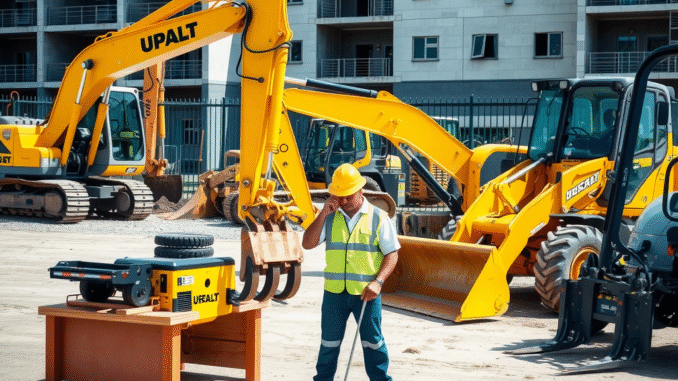
Investing in plant machinery is a significant decision, whether you are purchasing new equipment or browsing the used plant equipment for sale. Regular maintenance is vital to ensure your machinery operates efficiently and safely. Below, we discuss essential maintenance tips that will help you keep your plant and machinery in optimal condition, ensuring longevity and performance.
For all your plant & machinery needs, choose us for quality and reliability. Our extensive range ensures that you find the perfect equipment for your construction projects. Explore our offerings at https://www.sjhallplant.com and elevate your worksite efficiency today!
Understand the Importance of Regular Inspections
Routine inspections are the foundation of effective maintenance. Carrying out regular checks on your plant machinery should include examining all moving parts, fluids, and electrical systems. Here are some critical components to focus on during your inspections:
-
Fluid Levels: Oil, coolant, brake fluid, and hydraulic fluid levels must be checked regularly. Low fluid levels can lead to overheating and premature wear.
-
Belts and Hoses: Look for signs of wear, fraying, or cracking. Worn belts can snap during operation, leading to equipment failure.
-
Filters: Air, oil, and fuel filters should be inspected and replaced as necessary. Clean filters contribute to better performance and can prevent engine damage.
Fluid Levels: Oil, coolant, brake fluid, and hydraulic fluid levels must be checked regularly. Low fluid levels can lead to overheating and premature wear.
Belts and Hoses: Look for signs of wear, fraying, or cracking. Worn belts can snap during operation, leading to equipment failure.
Filters: Air, oil, and fuel filters should be inspected and replaced as necessary. Clean filters contribute to better performance and can prevent engine damage.
Incorporating a checklist during inspections makes the process systematic and ensures no critical part goes unnoticed. Regular inspections not only prolong the life of your plant machinery but also prevent costly repairs that could arise from overlooked issues.
Scheduled Maintenance and Servicing
In addition to routine inspections, creating a schedule for maintenance can save you considerable resources in the long run. Most manufacturers provide a service manual with recommended maintenance intervals for their equipment. Stick to this schedule as closely as possible. Here’s how to manage your planned maintenance effectively:
-
Document Everything: Maintain a record of all service and maintenance activities carried out on each piece of plant machinery. This log is particularly useful if you ever decide to sell or rent out your equipment, as potential buyers or renters appreciate a clear maintenance history.
-
Temperature and Lubrication: Ensure that lubrication systems are functioning correctly and that all moving parts are adequately lubricated to reduce friction and avoid overheating. Regularly check and replace lubricants based on the manufacturer’s guidelines.
-
Hygroscopic Maintenance: In environments with high humidity, moisture can cause significant damage to electrical components. Ensure that connectors and electrical systems are clean and dry to prevent corrosion and short-circuits.
Document Everything: Maintain a record of all service and maintenance activities carried out on each piece of plant machinery. This log is particularly useful if you ever decide to sell or rent out your equipment, as potential buyers or renters appreciate a clear maintenance history.
Temperature and Lubrication: Ensure that lubrication systems are functioning correctly and that all moving parts are adequately lubricated to reduce friction and avoid overheating. Regularly check and replace lubricants based on the manufacturer’s guidelines.
Hygroscopic Maintenance: In environments with high humidity, moisture can cause significant damage to electrical components. Ensure that connectors and electrical systems are clean and dry to prevent corrosion and short-circuits.
Adhering to a scheduled maintenance regimen increases the reliability of your plant machinery and can enhance safety on construction sites where lax maintenance practices can lead to accidents.
Training Your Operators
One often underestimating aspect of maintaining plant machinery is ensuring that operators are well-trained. Competent and informed operators are less likely to mismanage equipment, which can lead to unnecessary wear and tear. Here’s how to cultivate a culture of safety and knowledge:
-
Operational Training: Each operator should be well-versed in the equipment they will be using. Manufacturer guidelines should be studied, and specific training should be conducted on safety protocols. Your training programme should include everything from start-up procedures to emergency shutdown procedures.
-
Daily Briefings: Conducting a short briefing before starting work can remind operators of the importance of safety checks and individual responsibilities. This consistency helps ensure that everyone is aware of their roles in maintaining equipment integrity.
-
Encouraging Reporting: Encourage operators to report any abnormalities they notice while using the machinery. A culture of open communication can prevent small issues from escalating into major problems.
Operational Training: Each operator should be well-versed in the equipment they will be using. Manufacturer guidelines should be studied, and specific training should be conducted on safety protocols. Your training programme should include everything from start-up procedures to emergency shutdown procedures.
Daily Briefings: Conducting a short briefing before starting work can remind operators of the importance of safety checks and individual responsibilities. This consistency helps ensure that everyone is aware of their roles in maintaining equipment integrity.
Encouraging Reporting: Encourage operators to report any abnormalities they notice while using the machinery. A culture of open communication can prevent small issues from escalating into major problems.
Investing in proper training for your operators not only improves the lifespan of your plant machinery but also optimises its operational efficiency, leading to better overall project outcomes.
Maintaining plant machinery is not merely about addressing problems as they arise; it is about establishing a proactive approach that prioritises inspections, scheduled maintenance, and operator training. Whether you’re involved in plant machinery sales or managing a fleet of used plant equipment for sale in the UK, implementing these essential maintenance tips can secure your investment’s performance and longevity. Ultimately, effective maintenance leads to safer work environments, increased productivity, and a more robust return on investment.