
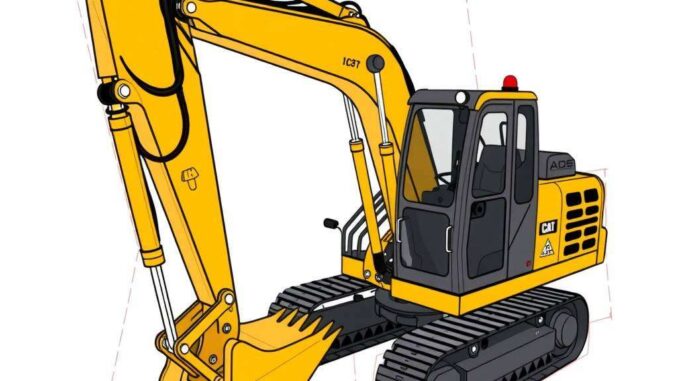
When it comes to managing construction projects, one of the pivotal decisions you’ll face is whether to rent or buy plant and machinery. This guide aims to illuminate the pros and cons of both options, providing clarity on how best to approach your needs for plant machinery. Whether you’re a seasoned contractor or just starting, understanding the nuances can lead to more effective budgeting and operational efficiency.
The Benefits of Renting Plant Machinery
Renting plant machinery is often the more flexible and financially prudent option for many businesses, particularly for those who have fluctuating project demands. Here are some of the advantages of renting:
For top-quality plant & machinery, look no further than https://www.sjhallplant.com. Our extensive fleet ensures you find the perfect equipment for your construction needs, whether for purchase or rental. Contact us today!
Cost Efficiency
One of the most immediate benefits of renting is the reduction in upfront costs. Rather than laying out a significant sum to purchase heavy machinery outright, renting allows you to allocate your budget more flexibly. This is particularly useful for short-term projects where high-demand plant equipment is required, but the expense of buying new machines would not be justified.
Access to Modern Equipment
Rental companies typically keep their fleets updated with the latest models of plant machinery. By opting for rentals, you can gain access to advanced equipment that may be more efficient or offer superior functionality compared to older machines. This can be especially beneficial in a competitive landscape where technology can provide significant advantages in productivity and safety.
Lower Maintenance Responsibilities
When you rent machinery, the onus of maintenance and repairs often falls on the rental company. This can alleviate hassles and additional costs associated with owning plant machinery, particularly if you’re using second-hand machinery. With new or used plant equipment for sale, maintenance is typically the owner’s responsibility, potentially impacting budgets over time.
Investing in quality plant & machinery is essential for efficient construction operations. For insights on safety and regulations, explore this resource: https://www.ilo.org/topics/labour-administration-and-inspection/resources-library/occupational-safety-and-health-guide-labour-inspectors-and-other/machinery-plant-and-equipment. Enhance your project’s success!
Advantages of Buying Plant & Machinery
Purchasing plant machinery can make good financial sense in certain scenarios, especially for businesses with consistent needs or plans for long-term operations. Here’s what to consider:
Long-Term Investment
When you buy equipment, you make a long-term investment that can pay off significantly over the years. If you frequently require specific machinery for your operations, ownership could ultimately be more cost-effective than repeatedly paying rental fees. Furthermore, well-maintained machinery can retain its value, making it an asset for your company.
Customisation and Control
Owning your plant machinery allows for customisation according to your specific workflow and operational processes. You have the freedom to modify equipment to better suit the needs of your projects. Plus, ownership grants you full control over the usage schedule, so you can plan maintenance or repairs to mitigate downtime.
Tax Benefits
Many businesses often overlook the potential tax advantages of owning plant machinery. In the UK, investments in equipment can be written off under capital allowances. Such tax incentives can significantly affect your bottom line over time, making buying more advantageous than it may first appear.
The Decision-Making Process
Choosing between renting and buying plant machinery involves examining several factors specific to your situation. Here’s how you can approach this key decision:
Assess Your Needs
Before making any decisions, carefully analyse your project requirements. Do you have ongoing projects that require consistent machinery? Or do your needs fluctuate seasonally? If your need for equipment is irregular, renting may serve you better. However, for businesses engaged in continuous operations requiring specific machines, purchasing could prove to be the more viable option.
Budget Considerations
Evaluate your financial situation. Renting allows you to maintain liquidity and can help in maintaining cash flow during lean periods. Conversely, while the initial outlay for buying might be hefty, understanding the long-term cost implications can reveal better financial viability. Explorations into used plant machinery or second-hand plant and machinery for sale can lessen the financial burden while enabling ownership.
Future Growth Plans
Consider your company’s future trajectory. If you foresee scaling your operations, owning your machinery could streamline costs in the long run. Conversely, if your business is still finding its footing in a competitive market, rental options provide the necessary flexibility while mitigating risk.
In conclusion, the decision to rent or buy plant and machinery ultimately hinges on your specific business conditions and future aspirations. By carefully considering the pros and cons of each option, you can ensure that your approach aligns with your operational goals and budget constraints effectively. Whether you’re in the market for plant machinery for sale in the UK or evaluating used plant equipment for sale, understanding your needs is crucial for optimal decision-making.