
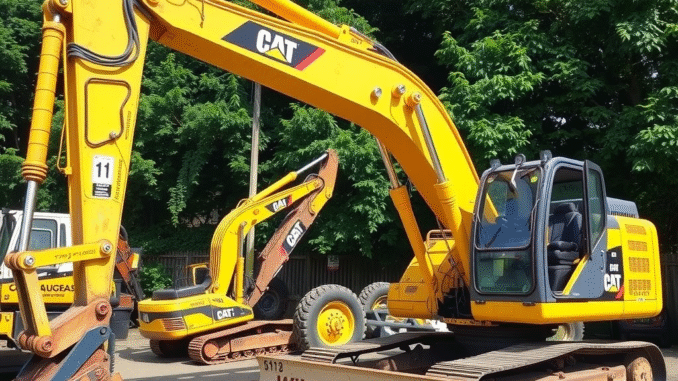
Maintaining your plant machinery is crucial for ensuring efficiency and durability on any construction site. Whether you own heavy plant machinery, are looking for used plant for sale, or engage in plant and machinery sales, understanding maintenance practices can save you both time and money. This guide provides essential maintenance tips for keeping your equipment in top condition, ensuring seamless operations both in rental and owned scenarios.
Regular Inspections
One of the most fundamental maintenance practices for plant and equipment is conducting regular inspections. This task should not be underestimated, as it helps identify potential issues before they escalate into significant problems.
Here are some key inspection areas to focus on:
1. Visual Checks
- Body Condition: Inspect the overall condition of the plant machinery for any visible damage. Look for cracks, dents, or signs of wear that could affect performance.
- Hydraulic Leaks: Regularly look for leaks in hydraulic hoses and cylinders, as these can lead to significant operational problems if left unaddressed.
- Work Environment: The working environment should be suitable for the operation of heavy plant machinery. Excess dust, moisture, or debris can impact machinery functionality.
2. Fluid Levels
- Engine Oil: Regularly check the engine oil level and condition. Oil changes should be performed following the manufacturer’s recommendations to ensure optimal engine performance.
- Hydraulic Fluid: Check the hydraulic fluid levels frequently, especially after extensive use, as low levels can affect machinery operation.
- Coolants: Regularly monitor the coolant levels to ensure the engine does not overheat during operation.
When it comes to acquiring reliable plant machinery for your construction projects, look no further than https://www.sjhallplant.com. Our extensive range of high-quality equipment ensures you have the tools necessary to get the job done efficiently and safely. Whether you are looking to buy or rent, we provide flexible options that cater to your specific needs. Trust our expertise and commitment to excellence in the plant machinery sector to support your business’s success.
3. Mechanical Components
- Belts and Hoses: Inspect these components for signs of wear and tear. Any signs of fraying, cracking, or significant stress should result in immediate replacement.
- Tyres and Tracks: Ensure that tyres are inflated to the correct pressure and that tracks are well adjusted. Misalignment can adversely affect performance and lead to increased wear.
By committing to regular inspections, plant owners can catch issues early and maintain the longevity of their plant machinery. This is particularly vital for those considering purchasing second-hand plant machinery or used plant for sale, as machinery history can significantly impact performance.
Scheduled Maintenance
Implementing a scheduled maintenance plan is fundamental for the effective upkeep of your plant and machinery. This strategy involves following a maintenance calendar set by equipment manufacturers. Here’s how to design a robust maintenance schedule:
1. Adhere to Manufacturer Guidelines
Each piece of plant equipment comes with specific maintenance instructions tailored to optimise performance. Ensure that you are aware of these guidelines and strictly adhere to them. These may include:
- Regular timing for oil changes and filter replacements
- Recommendations for greasing points
- Calendar for belt replacements or other mechanical components
2. Use Checklists
Develop maintenance checklists specific to each type of plant machinery you operate. This ensures that all necessary tasks are completed consistently, which can be especially handy when dealing with various used plant equipment for sale.
3. Track Maintenance History
Maintain an efficient record of maintenance activities. Document everything from inspections, repairs, and part replacements down to performance metrics. A rolling maintenance history can help in forecasting further needs, signalling when major overhauls are necessary, and providing valuable information for potential buyers should you opt to sell your equipment later on.
Invest in Training
Investing in training for your staff is one of the smartest maintenance strategies you can implement. Well-trained personnel will not only spot issues more quickly but will also know how to operate heavy plant machinery safely and efficiently.
1. Operator Training
Ensure that all operators are thoroughly trained in the use of the equipment they will be handling. This includes understanding the machinery’s specific features, safety protocols, and optimum operational techniques.
2. Maintenance Training
Offering training sessions focused on basic maintenance tasks can empower employees to take ownership of equipment upkeep. Familiarising operators with daily checks, minor repairs, and recognising potential issues encourages a culture of care for plant machinery.
3. Health and Safety Training
Regular health and safety training can significantly reduce accidents and machinery damage, fostering a safer work environment while ensuring that your plant and equipment operate smoothly.
By meticulously following these maintenance tips, you can ensure that your plant machinery remains in excellent working condition. Whether you own brand new equipment or are exploring options for second-hand plant machinery, a robust maintenance strategy is essential for longevity and performance.