
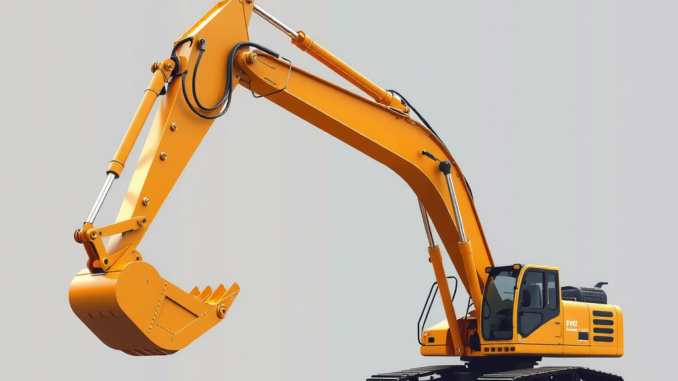
In the competitive world of construction, making the right financial decisions is imperative for contractors. One of the most significant choices involves acquiring plant machinery and equipment. The question often arises: should you rent or buy? Both options have their merits and drawbacks, but understanding the nuances can ultimately save you time, money, and hassle. In this article, we will explore the benefits of renting versus buying plant and machinery, focusing on the financial, operational, and strategic advantages each option presents.
Renting Plant Equipment: Flexibility and Cost-Effectiveness
When it comes to renting plant equipment, one of the most appealing advantages is flexibility. The construction landscape can be unpredictable, with project timelines often shifting based on various factors such as weather, client requirements, or regulatory changes. Renting allows you to easily adjust your equipment needs according to specific project demands.
Additionally, renting can be a more cost-effective approach, especially for short-term projects. If you only need machinery for a limited time, paying for rental can save you the hefty upfront investment required to purchase new or used plant for sale. This can significantly lower your operational costs and provide cash flow liquidity that is vital for the success of any contracting business.
Advantages of Second Hand Plant Machinery
For contractors looking to strike a balance between cost and performance, investing in second-hand plant machinery can be an attractive option. Used plant equipment for sale often presents a more affordable alternative when compared to brand-new machinery, without compromising on quality.
However, purchasing second-hand does come with risks. The machinery may require more maintenance, and its lifespan may be shorter than newer models. Additionally, the lack of warranty can make some contractors hesitant. Renting can serve as a trial run before committing to purchasing used plant for sale. If a particular piece of machinery meets your standards for performance and reliability during a rental period, purchasing it later may be more enticing.
Plant Machinery Sales UK: A Great Investment
For contractors with a long-term project pipeline, investing in plant machinery might make more sense. The plant machinery sales UK market is booming and offers a plethora of options that cater to various needs. Investing in machinery allows contractors to have immediate access to the equipment they need without worrying about availability from rental companies.
Moreover, owning your plant and equipment means you can customise it according to your specific requirements. You can implement modifications or upgrades that align perfectly with your operational needs and ensure optimum performance. Ownership can also lead to significant savings in the long run, especially if your machinery is consistently utilised. Depreciation can positively affect your tax liabilities, further enhancing the financial benefits of buying over renting.
The Case for Used Plant Equipment for Sale UK
When exploring plant equipment for sale, specifically used machinery, it’s essential to consider the broader context of your business operations. The market for used plant equipment for sale UK is robust, providing contractors with a myriad of options that can fit any budget. This accessibility can often lead to discovering high-quality, well-maintained machinery at a fraction of the cost of new models.
However, the decision to buy used plant machinery requires diligence. Always carry out thorough inspections and audits to assess the quality and reliability of the machinery. If you are unsure about purchasing outright, renting similar machines can also provide insight into which models might suit your needs best if you decide to make a purchase in the future.
Long-Term Cost Benefits vs. Immediate Availability
One of the most crucial factors to consider is the long-term cost benefits versus immediate availability. While owning plant machinery can lead to depreciation benefits and reduced long-term costs, there are significant initial capital outlay and maintenance responsibilities involved. Moreover, if machinery becomes obsolete or your project requirements change, you might find yourself stuck with equipment that is no longer suitable.
On the other hand, renting provides immediate access to the latest technology and equipment without the commitment of ownership. This means you can scale your operations quickly in response to fluctuating demand or project requirements without worrying about the future cost implications of unused machinery.
Maintenance and Support Services
Another often-overlooked aspect in the decision between renting and buying plant machinery is maintenance and support. When you rent equipment, most rental companies provide maintenance and support services as part of the rental agreement. This eliminates any downtime that may occur due to machinery malfunction or upkeep.
Conversely, if you purchase machinery, you will be solely responsible for all maintenance, repairs, and servicing. This can add ancillary costs that may often be overlooked in the buying equation. For contractors who prefer to focus on their core business, renting may provide peace of mind, allowing them to concentrate on project delivery rather than equipment upkeep.
When it comes to high-quality plant & machinery for your construction projects, our extensive range ensures you have everything you need to succeed. From excavators to cranes, we offer both sales and rental options to fit your requirements and budget. Our expert team is dedicated to providing superior support and advice, ensuring you choose the right equipment for your job. Explore our offerings and get started today at https://www.sjhallplant.com.
Final Thoughts on Plant Machinery Choices
Ultimately, whether to rent or buy plant and machinery is a decision fraught with individual considerations. Each contractor’s circumstances are unique, with different cash flow situations, project timelines, and operational requirements shaping their strategic decisions. By carefully weighing the benefits of each approach, contractors can optimise their operational efficiency and financial performance in the dynamic construction sector.